Ethical guidelines for our site US English Polish Italian Hungarian German Spanish UK English Australian English


in the news

understanding
your tests

inside the lab

about this site

site map

send us your
comments


home
Hashimoto's Thyroiditis

Also known as: Chronic thyroiditis, autoimmune thyroiditis

What is it?
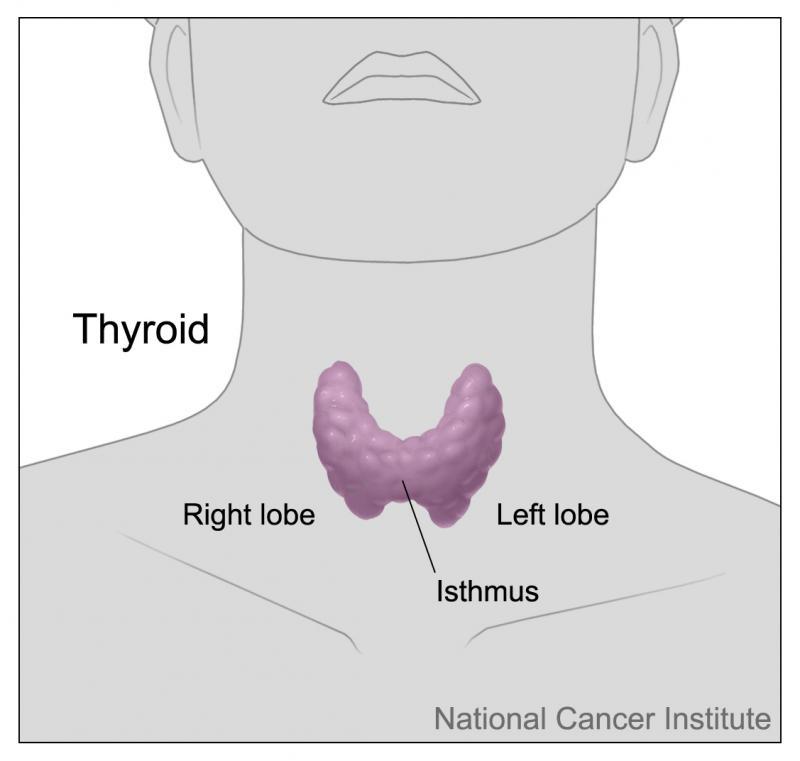
Hashimoto’s thyroiditis is an inflammation of the thyroid gland (thyroiditis) that frequently results in hypothyroidism, or decreased thyroid gland function. It is the most common form of thyroiditis and most frequent cause of hypothyroidism.

This disorder is caused by a reaction of the immune system against the thyroid gland. When the immune system targets part of the human body such as the thyroid gland, this is called an autoimmune disease. It may occur in people with a family history of thyroid diseases or with other autoimmune diseases, especially type 1 diabetes or reduced adrenal gland function. Lymphocytes (a type of white blood cell) move into the gland. These and thyroid antibodies slowly destroy the gland eventually leading to symptoms though this process can take many years.. Symptoms are those of hypothyroidism, such as weight gain, increased sensitivity to cold, and fatigue; in addition, the thyroid may be markedly enlarged, in many cases causing a visible goitre,  firm and rubbery but is not usually tender. It affects about 1 in 100 people in the population and is about 10 times more common in women than in men, most commonly affecting women in middle age.

Tests
Laboratory tests used to diagnose the disorder (in addition to thyroid function tests: TSH, T4, T3):

  • Anti-thyroid peroxidase (anti-TPO) antibody (positive; detects the presence of antibodies against a protein found in thyroid cells). These antibodies are not normally present, so a high value usually indicates autoimmune damage to the thyroid, including Hashimoto's thyroiditis and Graves’ disease

Treatment
This disorder is often mild, causing no symptoms and with normal thyroid hormone concentrations (T3 and T4). No treatment is needed in these cases. Treatment with thyroid hormone may be used when a goitre is present or the body’s natural thyroid hormone production is decreased or TSH level increased. This treatment is called replacement therapy. Symptoms caused by an underactive thyroid gland usually respond well to thyroid hormone replacement therapy but it is usual to start on a low dose and build up the treatment gradually guided by how the symptoms respond and the results of blood tests. Those with Hashimoto’s thyroiditis and an elevated TSH level can develop decreased hormone levels within a short period of time and so some doctors will begin thyroid hormone replacement therapy as soon as the TSH level starts to climb.


Related Pages
On This Site

Elsewhere On The Web

This page last modified on March 7, 2007.
 

In the NewsUnderstanding Your TestsInside the Lab
About the SiteSite MapSend Us Your CommentsHome

If you don't know what a word or a medical term means Click Here to link to Stedmans Medical Dictionary

We comply with the HONcode standard for trustworthy health
information:
verify here.

©2004-07 all rights reserved
Email concerns to labtestsonlineuk@acb.org.uk

Terms of Use Privacy