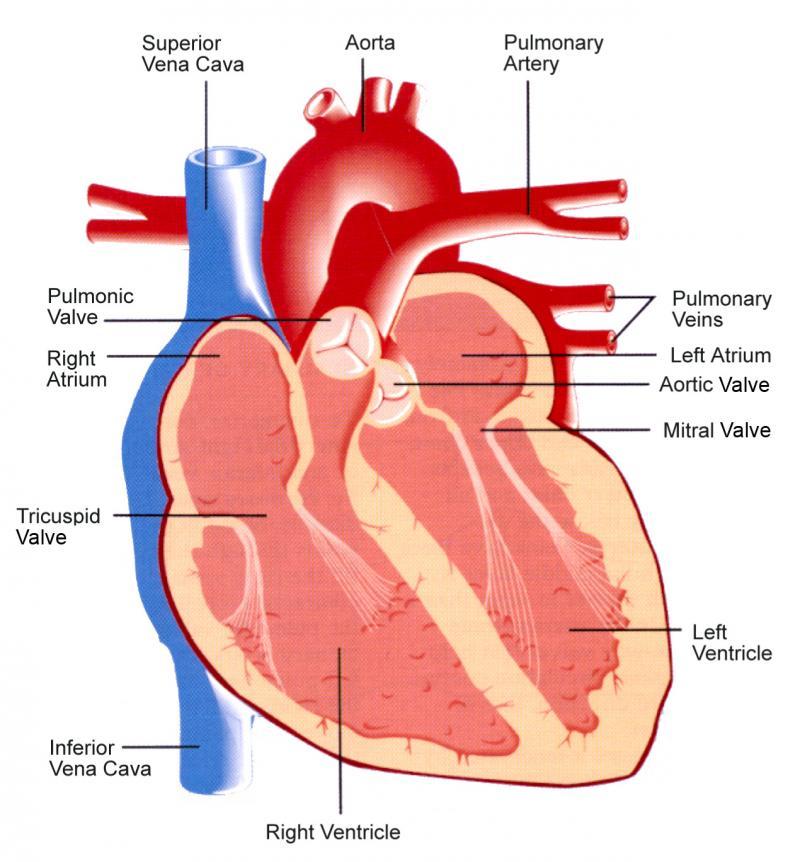
A heart attack (also called a myocardial infarction or MI) is defined by evidence of heart damage, shown by release of cardiac biomarkers, in the presence of poor blood supply (ischaemia). This can occur when a clot forms in one of the heart's coronary arteries and blocks the blood supply to part of the heart muscle. The blood clot develops on a narrowing of the coronary artery caused by fat deposition called atherosclerosis or atheroma. The blockage destroys heart tissue and can be fatal if not treated within an hour or two. Any cause of blood reduction to the heart can cause a heart attack including artery spasm or major blood loss or an increase in demand for oxygen for example when the heart beats very fast in a tachyarrhythmia.
The acute coronary syndrome (ACS) is a group of symptoms and signs including sudden chest pain which often spreads to the jaw, arm or shoulder caused by insufficient blood flow to heart muscle. Anyone with ACS should be taken to hospital as an emergency to find out whether the cause is a heart attack, unstable angina or a problem outside the heart. The tests done in patients presenting to hospital with a suspected heart attack often include an electrocardiogram (ECG) and measurement of heart muscle proteins (cardiac biomarkers e.g. troponin) in blood.
There are more than 100 risk factors for atherosclerosis. The major ones are divided into non-modifiable e.g. male sex, family history of premature cardiovascular disease and age, and modifiable e.g. high cholesterol, diabetes, high blood pressure and smoking. Treatment of an atherosclerotic heart attack is to restore the heart muscle’s blood supply such as surgery called coronary angioplasty to widen the coronary artery.